
Posts Tagged ‘Content Migration’
Avoid Costly Rework on a Large Real Estate Content Project
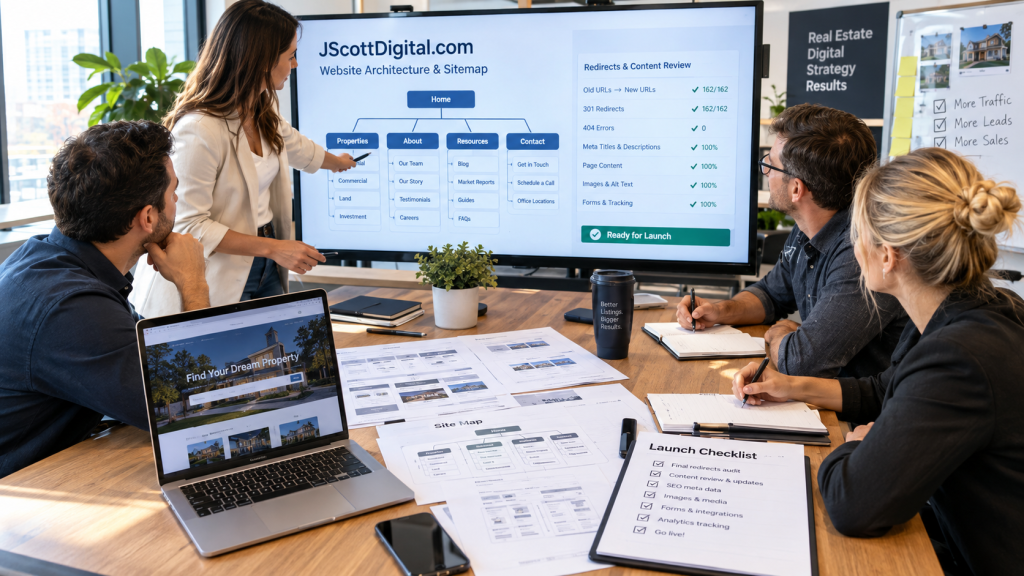
A 60-page website rebuild can go wrong in ways a single blog post never will. One weak decision about page structure, search intent, market claims, or existing URLs can force writers, designers, developers, SEO specialists, and executives to reopen work they thought was finished. That changes the buying decision. On a large real estate content…
Read MoreHow to Plan a Real Estate WordPress Website That Works

A website rebuild can fail even when you hire a capable designer. The problem is often an unclear brief, scattered content, weak priorities, or a design process that begins before anyone has defined what the site must accomplish. For a property management company, real estate firm, or direct homebuyer business, you rarely need the largest…
Read MoreWhen a WordPress Redesign Becomes a Content Problem
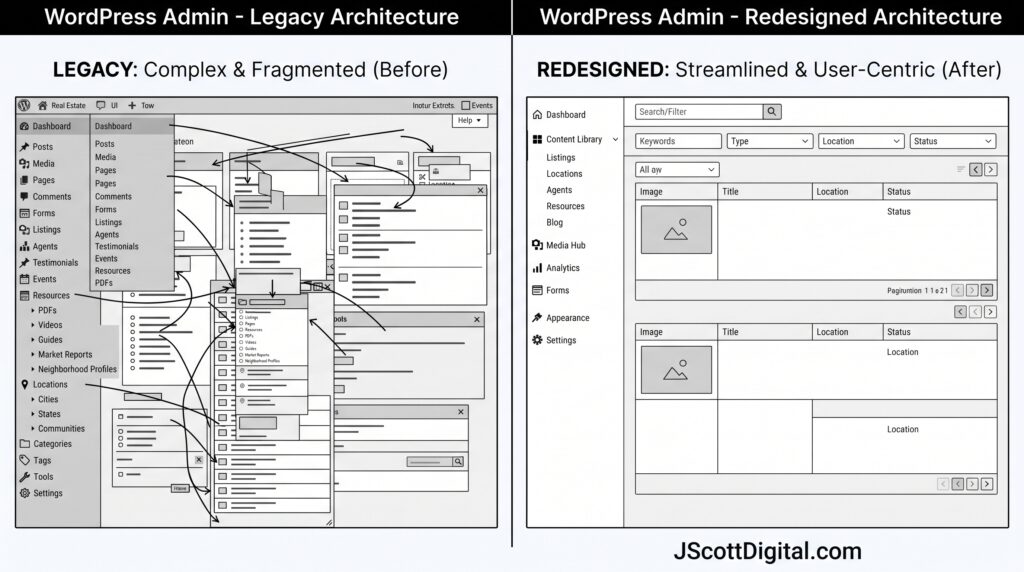
A real estate website redesign often begins with a visual complaint. The site looks dated. The homepage feels cluttered. The mobile layout is awkward. Competitors appear more modern. Someone proposes a new WordPress theme, updated photography, sharper typography, and redesigned service pages. Then the project begins, and the real problems surface. Nobody knows which pages…
Read MoreWhy Most Real Estate Websites Fail to Build Authority
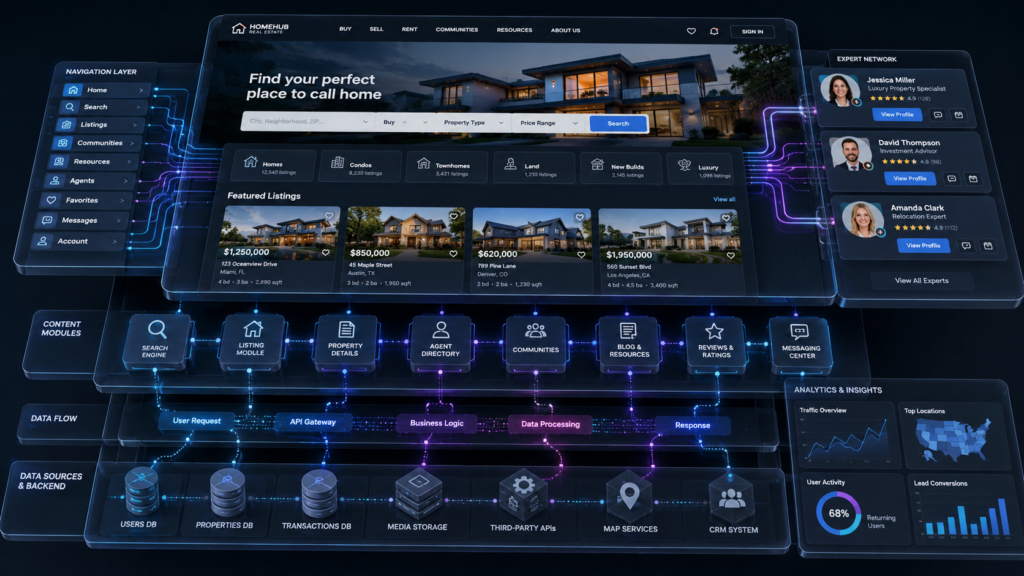
Many real estate websites look professional but never become authoritative. They may have attractive photography, polished service pages, and a regularly updated blog. Yet visitors still struggle to determine who is behind the website, what the organization actually knows, and whether its information can be trusted. The problem is usually structural rather than visual. The…
Read MoreReal Estate Website Content Migration Without Losing Traffic
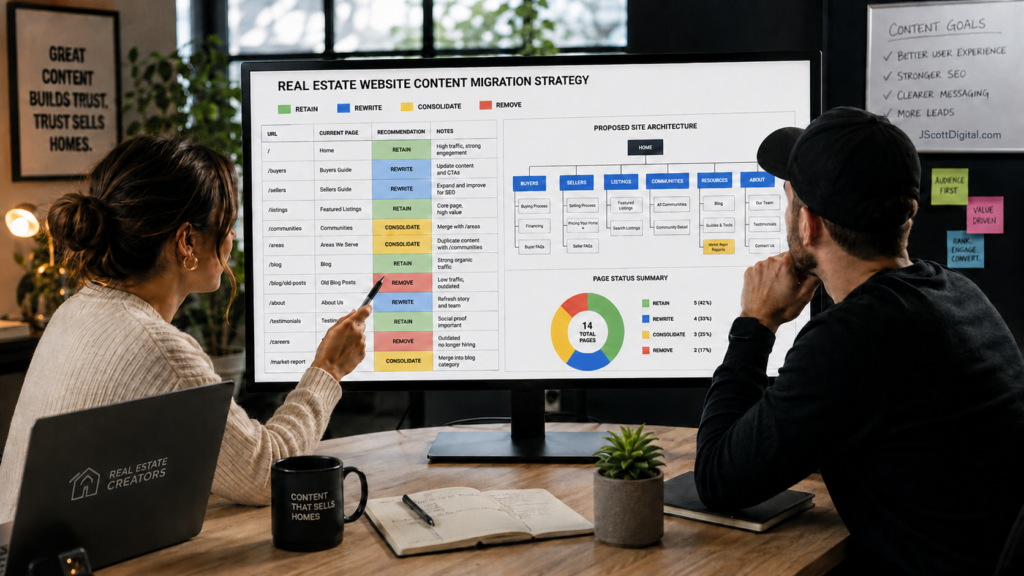
A real estate website content migration determines what your future website will say, how information will be organized, and whether existing content will continue to support traffic and business development. This work is especially important for real estate and property management firms moving away from Weebly due to shutting down in many countries. The platform…
Read MoreHow to Plan a Weebly to WordPress Migration for Real Estate
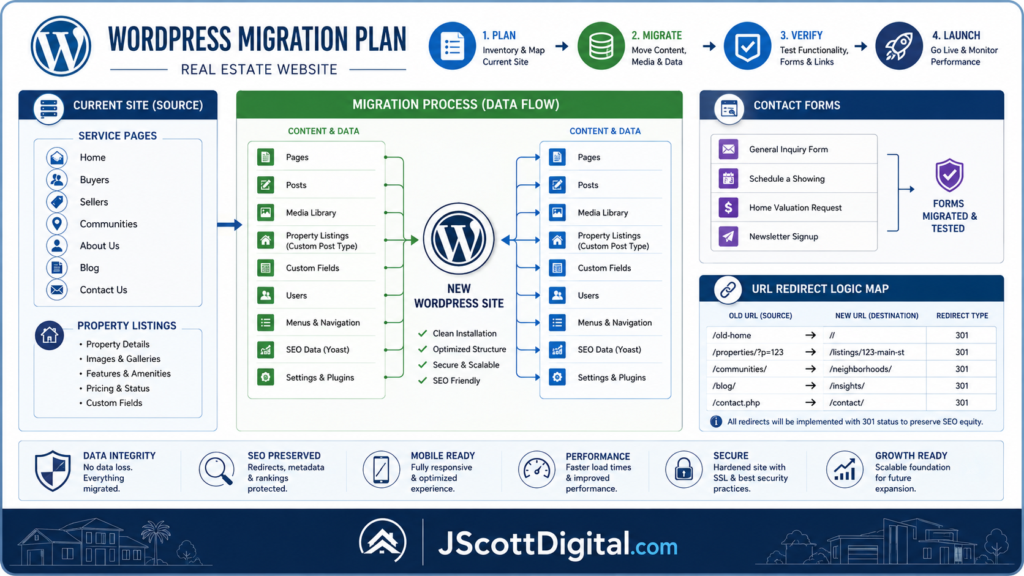
A Weebly to WordPress migration for a real estate business must preserve more than the appearance of the existing site. The replacement also needs to support the people, content, and connected systems that make the website commercially useful. A property management company may rely on its site to attract owners, advertise rentals, and direct tenants…
Read MoreWhat the Weebly Shutdown 2026 Means for Real Estate Firms

The Weebly shutdown 2026 creates an immediate planning issue for real estate companies using the platform in affected countries. That includes property management firms, real estate investment businesses, residential and commercial agencies, developers, consultants, and related service providers. This is not a worldwide closure. Weebly has announced that it is winding down services in 67…
Read More