
Posts Tagged ‘WordPress’
How to Build Lead Generation Into a Real Estate Website
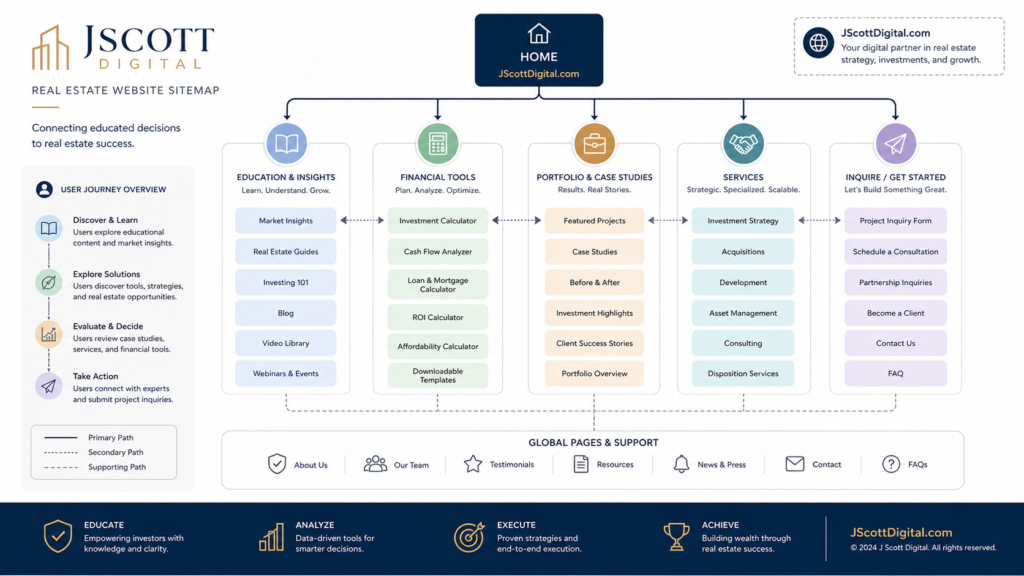
Your best educational article may be attracting exactly the right readers and still producing almost no business. The problem is often what happens after the answer. Some sites give an interested visitor nowhere useful to go next; others overcorrect with popups, banners, forms, and calls to action that make the article feel like a landing…
Read MoreBuilding Lead Generation Into a Real Estate Website
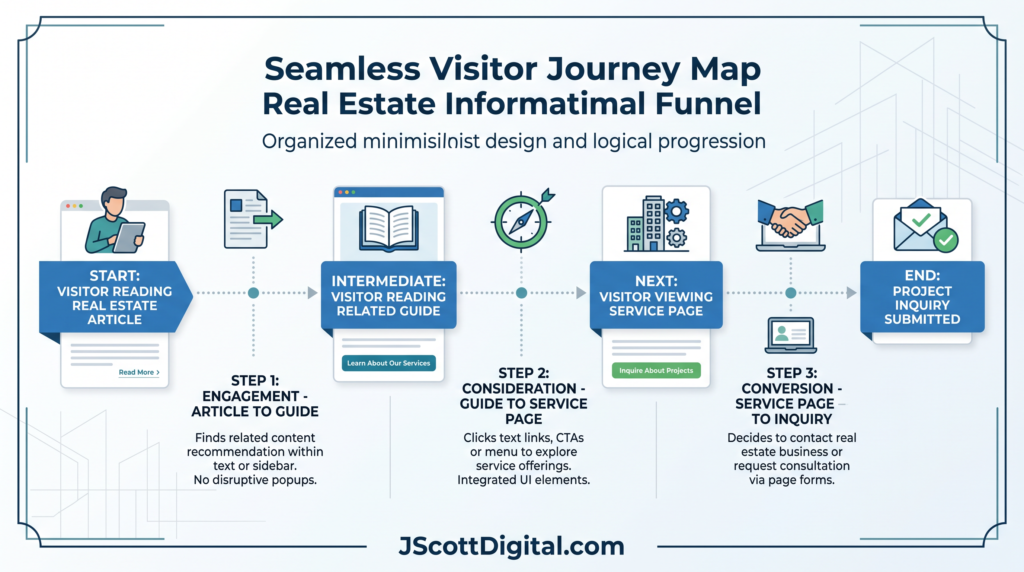
A useful real estate article can attract exactly the person you want to reach and still generate nothing beyond a pageview. Sometimes the site asks for too much before the reader has received anything useful. In other cases, the content does its job perfectly but gives an interested visitor nowhere logical to go next. The…
Read MoreHow to Plan a Real Estate WordPress Website That Works

A website rebuild can fail even when you hire a capable designer. The problem is often an unclear brief, scattered content, weak priorities, or a design process that begins before anyone has defined what the site must accomplish. For a property management company, real estate firm, or direct homebuyer business, you rarely need the largest…
Read MoreHow Semantic SEO Turns Articles Into Authority
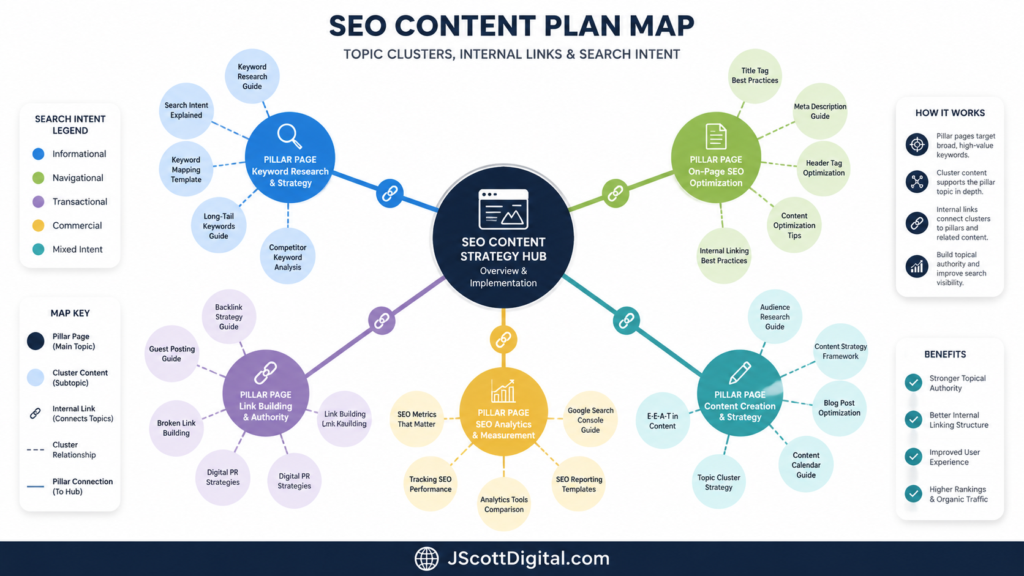
There was a time when SEO content could be built around one keyword, a few repeated variations, and a basic article structure. That approach is too thin for modern search. Today, a page needs to do more than include the right phrase. It needs to show that the topic is understood in context. That is…
Read MoreWhen a WordPress Redesign Becomes a Content Problem
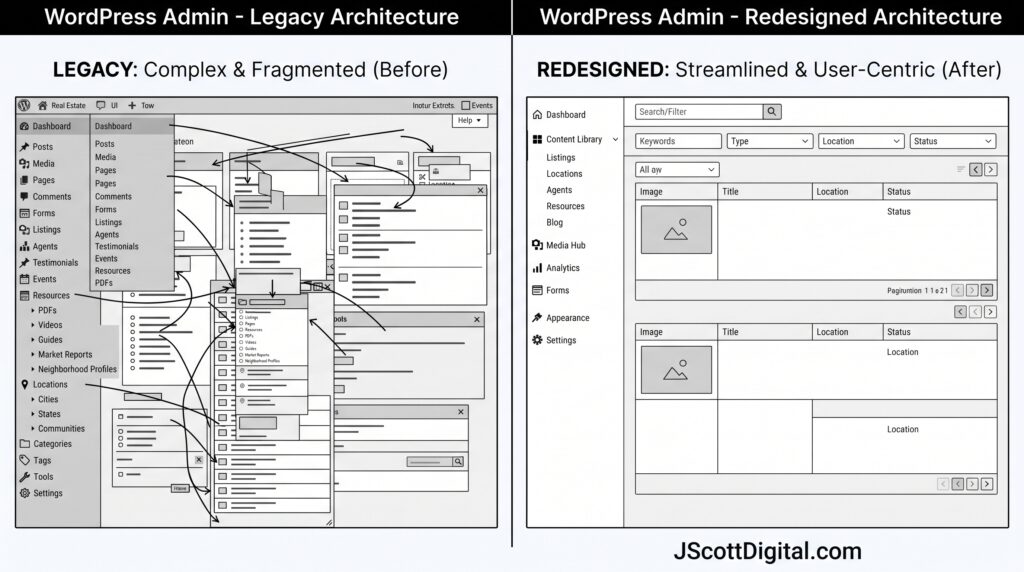
A real estate website redesign often begins with a visual complaint. The site looks dated. The homepage feels cluttered. The mobile layout is awkward. Competitors appear more modern. Someone proposes a new WordPress theme, updated photography, sharper typography, and redesigned service pages. Then the project begins, and the real problems surface. Nobody knows which pages…
Read MoreHow Information Architecture Improves Content Discovery

Your real estate website may contain useful market reports, investment guides, service pages, calculators, property resources, and years of professional insight. None of that content creates much value when visitors cannot find it. The problem is often blamed on navigation, search optimization, or web design. Those may be contributing factors, but the deeper issue is…
Read MoreWhy Most Real Estate Websites Fail to Build Authority

Many real estate websites look professional but never become authoritative. They may have attractive photography, polished service pages, and a regularly updated blog. Yet visitors still struggle to determine who is behind the website, what the organization actually knows, and whether its information can be trusted. The problem is usually structural rather than visual. The…
Read MoreHow to Plan a Weebly to WordPress Migration for Real Estate
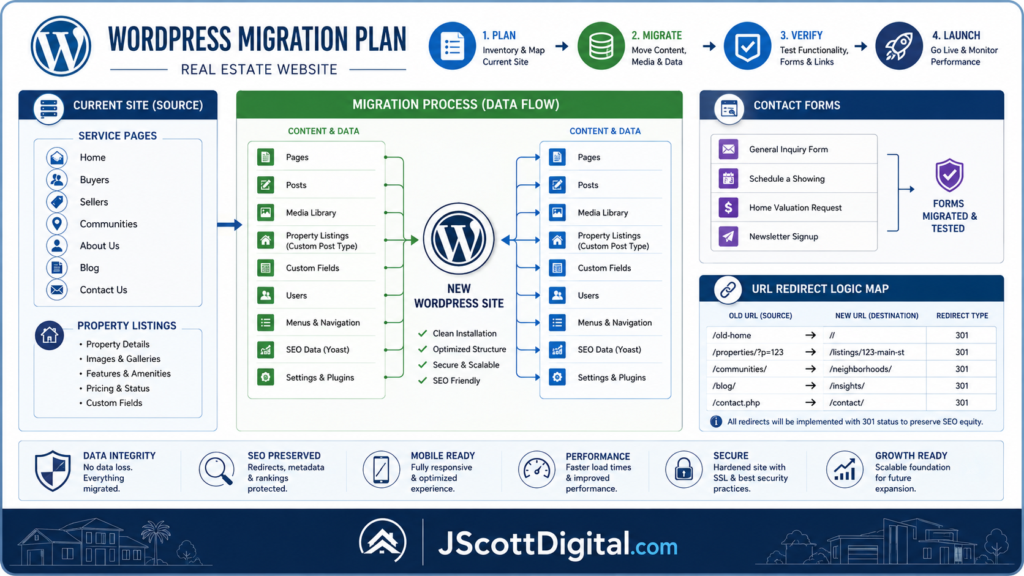
A Weebly to WordPress migration for a real estate business must preserve more than the appearance of the existing site. The replacement also needs to support the people, content, and connected systems that make the website commercially useful. A property management company may rely on its site to attract owners, advertise rentals, and direct tenants…
Read More